
Dust suppression systems
Airborne dust is a worker health issue, a neighbour relations issue and a regulatory one. We weigh it down with atomised water and bring it to the ground.
- System
- Atomising / misting
- Triggering
- Sensor or programmed
- Area
- Nationwide, based in Ankara
How dust suppression works
Fine dust particles suspended in air take a very long time to settle under their own weight. When a water droplet strikes one, the two combine, become heavier and fall quickly. That is the entire logic of a dust suppression system.
The difference from a misting system installed for cooling is droplet size. In cooling you want the droplet to evaporate in the air; in dust suppression it has to stay large enough to catch a particle and carry it down. That is why nozzle selection here is different from comfort installations.
Where we install it
- Crushing and screening plants: the points where material is crushed and screened are the heaviest dust sources on a site.
- Material transfer and discharge points: conveyor discharges, silo filling points, truck unloading areas.
- Open stockyards: curtain lines installed around stockpiles that blow in the wind.
- Unpaved internal roads: lines triggered by a motion sensor as vehicles pass.
- Excavation and construction sites: portable solutions for temporary installations.
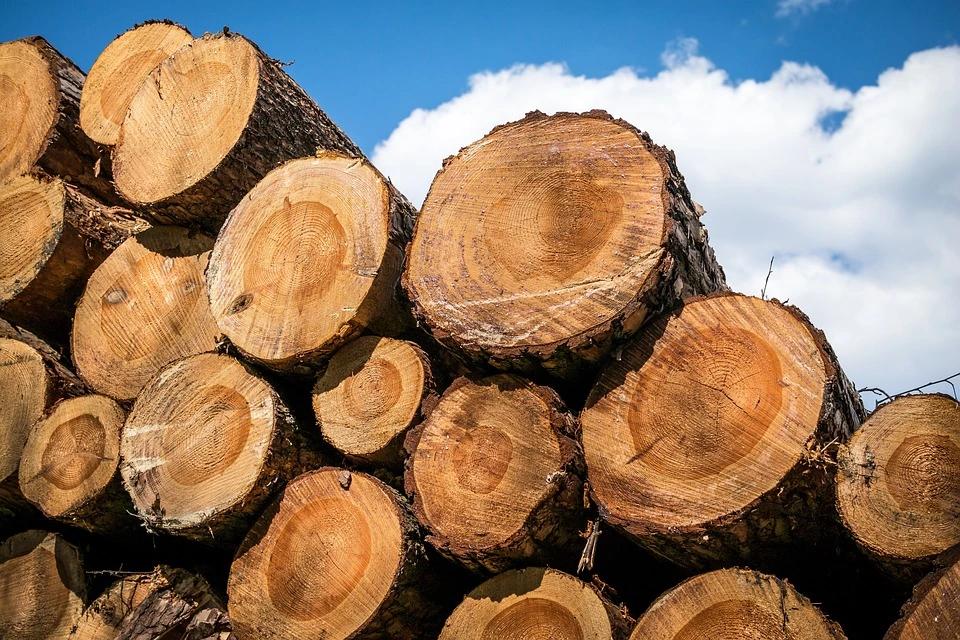
- Wood processing and furniture workshops: bringing fine airborne wood dust down.
The system we build
The system consists of a high pressure pump, filtration, high pressure tubing and nozzles selected for the conditions on site. The line is positioned to form a curtain across the direction the dust travels, taking the prevailing wind into account.
Triggering works in one of two ways: a motion sensor at passing points, or programmed operation through the control panel at fixed sources. Both prevent water being used when nothing is happening.
Quotation and installation
The cost of a dust suppression system is set by the size of the site, the length of the line and the method of triggering. Nozzle prices vary with the equipment chosen, which is why we do not quote a figure without seeing the site.
We are based in Ankara and install across Türkiye. Send us the dimensions of your site or call 0507 492 02 04.
Frequently asked questions
Does dust suppression actually work?
Is it suitable for stack and point-source emissions?
Does the system run continuously?
Why is a different nozzle used than for cooling?
Related reading
Let's find the right system for your site
Just send us the width, length and height of the area in metres (e.g. 10 m × 20 m, 3 m high). Site survey and system design are free of charge.